| Characteristics |
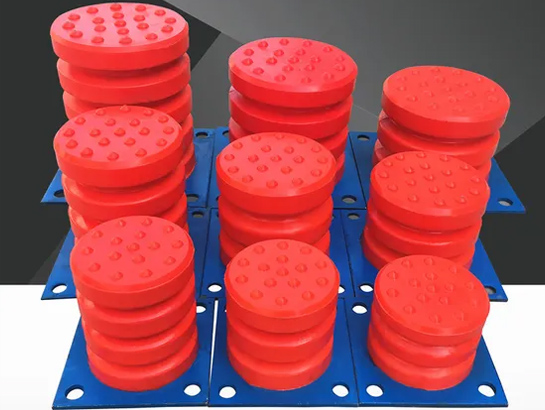
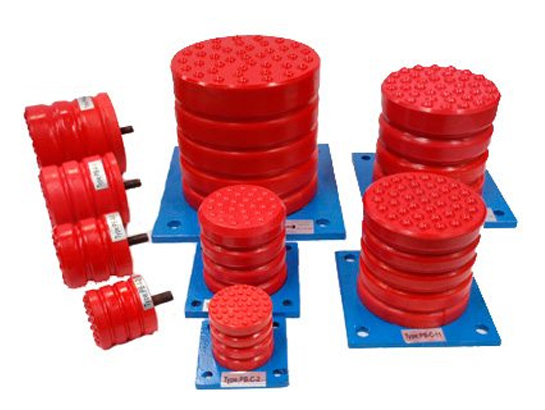
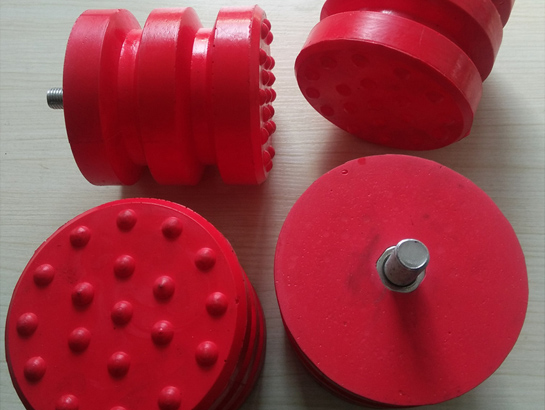
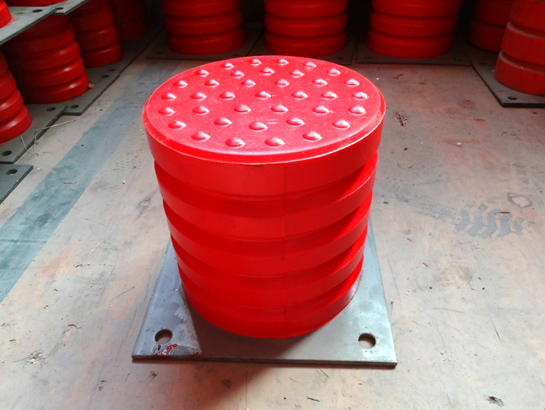
Polyurethane buffer |
Rubber shock absorber |
Rubber shock absorber |
Hydraulic shock absorber |
| Buffering efficiency |
High |
Low |
Low |
Highest |
| Lifespan |
Very long |
Short |
Short |
Length (Maintenance Required) |
| Environmental adaptability |
Excellent |
General (prone to aging) |
General (prone to aging) |
Sensitive (Oil Temperature) |
| Maintenance requirements |
Minimally maintenance-free |
Maintenance-free |
Maintenance-free |
Requires Regular Oil Changes and Maintenance |
| Cost |
Medium |
Low |
Low |
High |
| Features |
Best overall performance |
Inexpensive, simple |
Inexpensive, simple |
Stability, Controllable, Used for High-Speed Heavy Loads |
Proper selection of polyurethane buffer for cranes is crucial for ensuring safety and performance!
1. Calculate impact energy: Based on the mass (M) of the object being buffered and its operating speed (V), perform a preliminary calculation using the formula E = (1/2) * M * V², considering a safety factor (typically 1.2-1.5).
2. Determine installation space: Measure the available installation distance and space dimensions.
3. Check interfaces: Confirm the hole spacing, hole diameter, and bolt specifications of the mounting plate.
4. Consider environmental factors: Consider the presence of extreme temperatures, chemicals, UV exposure, etc.
5. Consult a professional: It is recommended to provide the operating parameters to the manufacturer or a qualified technician for recommendations on the most suitable model and specifications.