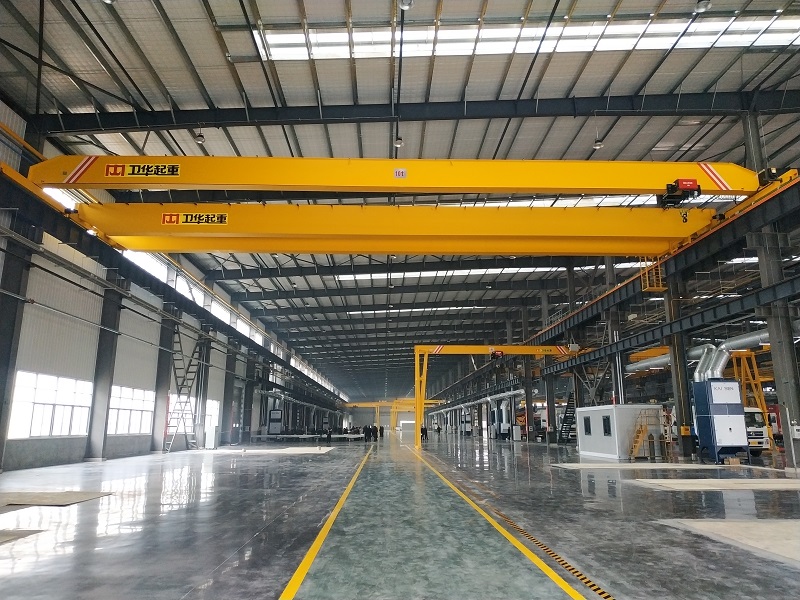
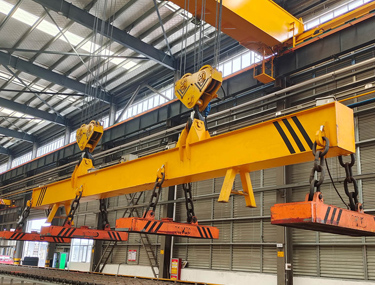
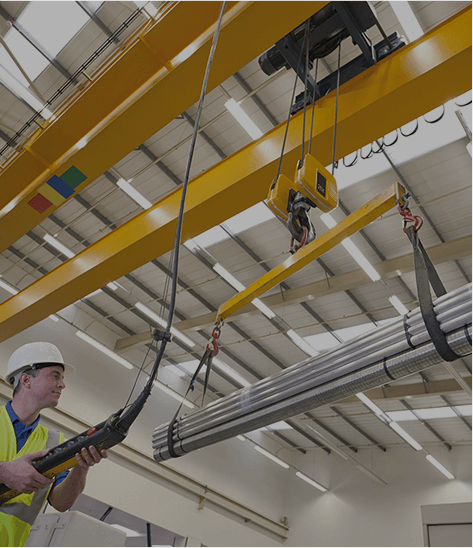
A single-girder electric hoist is a lifting device that suspends and operates an electric hoist
(wire rope hoist or electric chain hoist) (lifting mechanism) under a main beam (I-beam). It is typically a core component of a single-girder bridge crane.
Working Method (in the crane system):
Lifting: Operating the hand switch activates the hoist motor, achieving vertical lifting of the load.
Lateral Movement (Trolley to Main Beam): The hoist moves left and right along the main beam via the running trolley.
Longitudinal Movement (Trolley Track): The entire crane (including the main beam, hoist, and load) moves back and forth along tracks on the roof of the building.
This enables three-dimensional spatial transport within the working area.
Advantages of Single-Girder Electric Hoists:
Low Cost: Simple structure, fewer components, and significantly lower procurement and installation costs compared to double-girder cranes.
Lightweight: Less stress on the building structure, reducing infrastructure costs.
High Space Utilization: Compact structure, low required headroom, maximizing the use of building height. Easy Installation and Maintenance: Simple structure, short installation cycle, and convenient daily maintenance.
Wide Applicability: Ideal for light to moderate usage, such as workshops, warehouses, assembly lines, and repair stations. Standard tonnage typically ranges from 0.5 tons to 20 tons.
Main Application Scenarios:
Machinery workshops
Loading and unloading goods in logistics warehouses
Component hoisting and assembly on production lines
Equipment installation and maintenance
Lifting of small and medium-sized molds
Considerations for Selecting a Single-Girder Electric Hoist:
Lifting Capacity: Determined based on the maximum load, with a certain safety margin.
Lifting Height: Determine based on actual needs, paying attention to calculating the distance from the hook's extreme position to the ground.
Working Order: Select the appropriate working class (e.g., A3) based on usage frequency.
Operating Speed: Select lifting and operating speeds based on operational efficiency requirements.
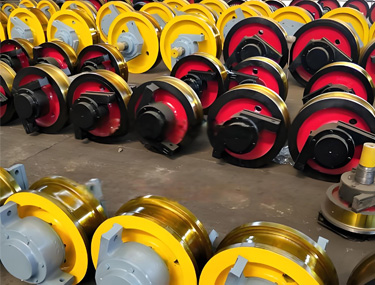
Rail Matching: Ensure the hoist trolley wheel track matches the main beam I-beam dimensions, and the crane end beam wheel track matches the factory rails.
Power Supply: Generally three-phase 380V, 50Hz.
Safety Certification: Purchase products with a special equipment manufacturing license and type test certificate.
In summary, single-girder electric hoist cranes are an economical, efficient, and space-saving material handling solution, making them the preferred choice for most light industrial applications. When purchasing, be sure to provide the supplier with detailed operating parameters to ensure accurate selection.