| Parameter Category |
Parameter Range |
Description |
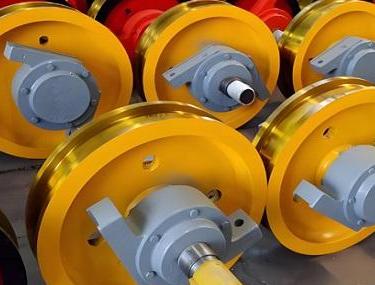
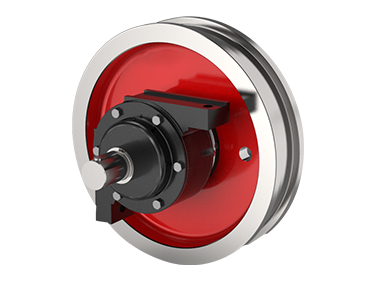
| Wheel diameter (D) |
Φ160mm ~ Φ1000mm |
Common specifications: Φ250mm, Φ400mm, Φ630mm, Φ800mm |
| Tread width (B) |
80mm ~ 200mm |
Must match the rail head width (e.g., QU80 track corresponds to a wheel width of approximately 100mm). |
| Rim height (h) |
20mm ~ 50mm |
Double flange (universal), single flange (low lateral force), flangeless (requires guides). |
| Material |
Cast steel (ZG340-640), forged steel 42CrMo、65Mn |
Cast steel is economical and durable, while alloy steel offers high load-bearing properties. |
| Heat treatment hardness |
Wheel surface hardness: HB300~380 or HRC45~55 |
Surface hardening improves wear resistance. |
| Single wheel load rating |
5t ~ 500t |
Allocation depends on the total crane weight and number of wheels (e.g., a four-wheel crane with a total load of 100t has a single wheel load of approximately 25t). |
| Maximum wheel pressure (P) |
50kN ~ 800kN |
Must match the track's load-bearing capacity (e.g., QU100 track allows for a wheel load of approximately 300kN). |
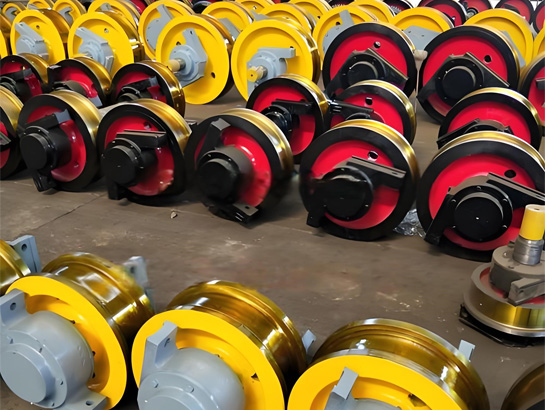
Crane Rail Wheels Common Problems and Maintenance
Wear:
Tread Wear: Uniform wear under normal operation.
Flange Wear: Especially abnormal wear on one side, usually a sign of "rail biting," requiring adjustment.
Rail Biting: Severe friction between the wheel flange and the side of the rail during crane operation. This is one of the most common problems, causing rapid wear of the flange and rail, increasing running resistance. Causes include:
Rail installation errors (elevation, straightness, gauge)
Wheel installation errors (horizontal skew, vertical skew, diagonal error)
Drive asynchrony
Frame deformation
Peeling and Chipping: Pitting, flaking, or flange chipping on the tread. Causes may include improper heat treatment, material problems, or overload impact.
Crane Rail Wheels Maintenance Tips:
Regular Inspection: Check for wear (especially flange thickness), cracks, and peeling.
Lubrication: Ensure proper lubrication of bearings.
Rail Cleaning: Keep the rails clean, free of weld slag, gravel, and other hard objects.
Measurement and Adjustment: Regularly check the parallelism, straightness, and wheel skew of the rails, and correct them promptly.
Crane Rail Wheels Selection and Replacement Recommendations:
Prioritize Original Design: When replacing wheels, it is best to use products of the same model and specifications.
Choose Reliable Manufacturers: Wheels are safety components; choose qualified manufacturers with mature processes (especially heat treatment processes).
Replace in Pairs: On the same vehicle or side, it is recommended to replace all wheels simultaneously or at least in pairs (e.g., both drive wheels) to ensure consistent diameter and avoid asynchronous operation.
Match Rail Condition: If the rails are also severely worn, simply replacing the wheels will accelerate their wear; consider repairing or replacing the rails simultaneously.